
The expression Krɔmfo Takyi-Amoah occupies a notable place in Akan popular speech as a label for an exceptionally cunning or notorious thief. In contemporary usage, many speakers treat the term in much the same way that Ghanaians use the name Ataa Ayi, a real-life armed robber whose criminal activities became widely known across the country from the 1990s and early 2000s. Unlike Ataa Ayi, however, Krɔmfo Takyi-Amoah did not originally refer to an actual historical individual.
From a linguistic perspective, the term can be seen in Akan word formation and metaphorical naming practices. Oral tradition suggests that Krɔmfo Takyi-Amoah emerged from the blending of two separate expressions associated with animals renowned for their ability to steal. Rather than commemorating a particular person, the term was created as a descriptive title embodying the qualities of theft, speed, and cunning.
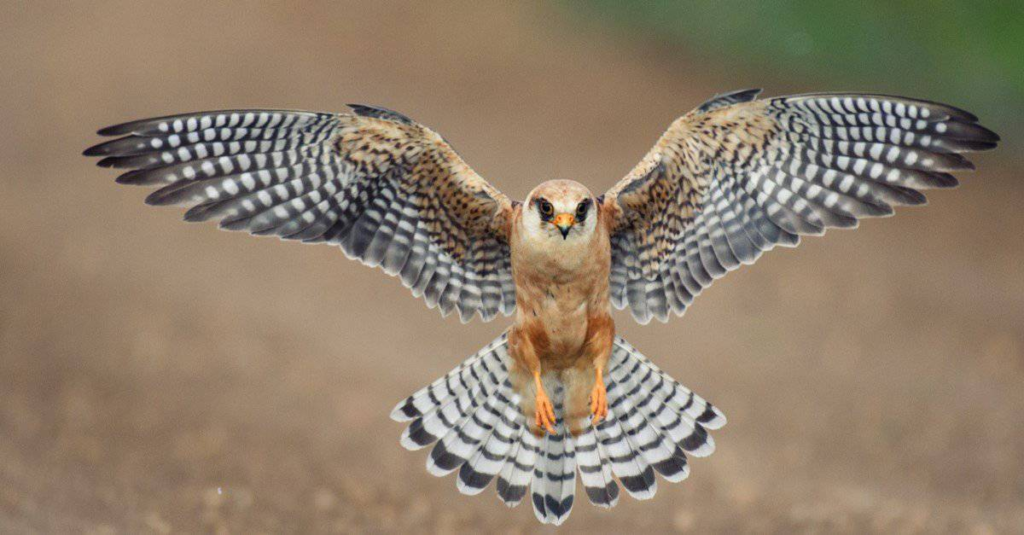
The first component is linked to “akrɔma takyiwa”, the falcon or hawk. Within Akan folklore and everyday observation, the bird is often portrayed as a swift predator capable of snatching chicks with remarkable speed and precision. Its reputation for sudden and successful raids made it a natural symbol of theft and opportunistic behaviour.
For many Fante speakers, the association between the falcon and theft is deeply embedded in both language and folklore. The bird is popularly known as Sansaw Akrɔma and has long been portrayed as a notorious thief of chicks, a reputation so widespread that it found its way into children’s songs and traditional games.
One well-known rhyme goes:
“Sansaw Akrɔma, ne na ewu o/ n’enyiwa ewu o; ɔkyekyer nkokɔmba, ɔse ɔnnkɛyɛ edwuma. Ne na ewu o/ n’enyiwa ewu o; ɔkyekyer nkokɔmba.”
The song humorously depicts the bird as as a shameless creature refusing to work and instead surviving by snatching chicks, reflecting a long-standing cultural perception of the falcon as a cunning and opportunistic thief. This imagery likely contributed to its selection as one of the symbolic sources behind the expression Krɔmfo Takyi-Amoah.
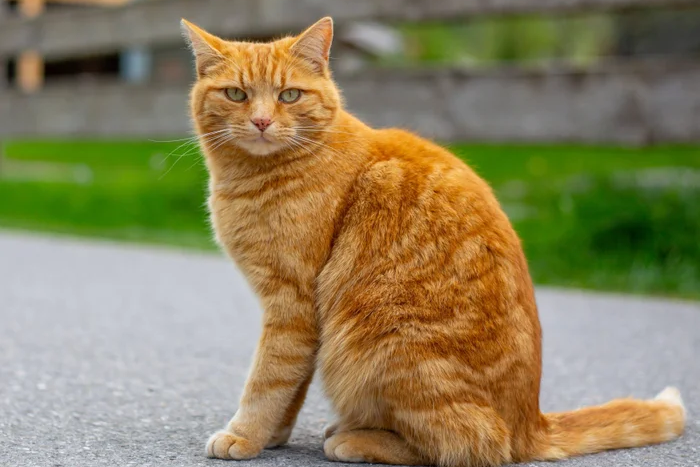
The second element derives from egyinambowa, the domestic cat. Across many Akan communities, the cat has long been associated with a smart movement and the tendency to steal food within the household. Its quiet approach and ability to evade detection have made it another enduring metaphor for thievery in Akan oral expression.
According to this explanation, Akan elders combined references to these two animals to create a figurative name for a master thief. Through processes of phonological adaptation, contraction, and popular usage over time, the original expressions “Akrɔma Takyiwa and Egyinambowa” gradually evolved into the form now recognised as “Krɔmfo Takyi-Amoah”, a memorable name that captures the combined attributes of both creatures: the speed of the falcon and the smartness of the cat.
The development of the term proves a broader Akan tradition of employing animal imagery to describe human behaviour. Similar naming patterns can be found throughout Akan proverbs, folktales, and praise names, where the characteristics of animals are metaphorically transferred to people. Such expressions often preserve cultural knowledge while enriching the language with vivid imagery.
Consequently, Krɔmfo Takyi-Amoah should not be understood as the name of a forgotten criminal figure. Rather, it is a linguistic and cultural creation, fashioned from animal symbolism and oral tradition to represent a notorious thief. Its continued use shows how Akan communities have historically employed metaphor, folklore, and word formation to describe social behaviour in ways that are both expressive and memorable.
Editor: Ama Gyesiwaa Quansah.