Image Credit: William Obinkyereh on LinkedIn
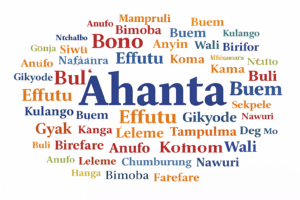
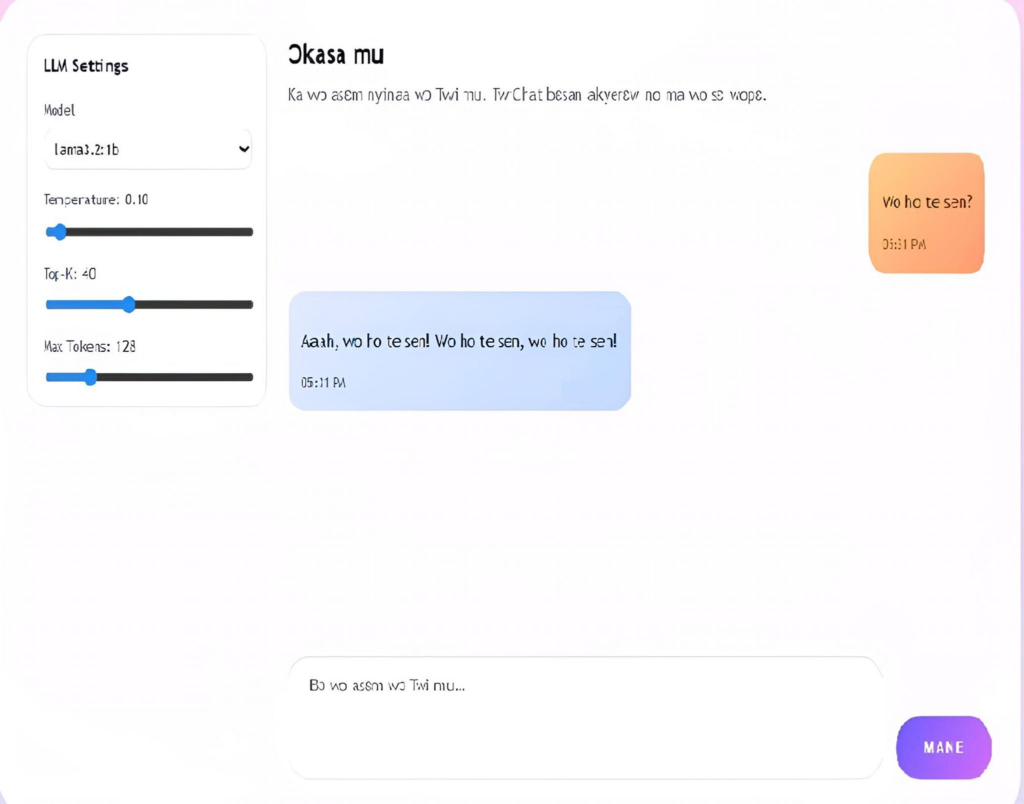
Artificial Intelligence continues to transform communication around the world, but many local languages remain underrepresented in modern AI systems. A Ghanaian technology leader, Williams Obinkyereh, is helping to change that with the development of TwiChat, an AI chat application designed specifically for conversations in Twi, one of Ghana’s most widely spoken languages.
TwiChat allows users to ask questions and interact naturally in Twi rather than relying only on English. The application demonstrates how artificial intelligence can be localized to reflect the linguistic realities of communities that are often overlooked in global technology development.
Most AI chat platforms today are optimized primarily for major global languages such as English. While this improves accessibility for many users, it also leaves millions of speakers of local languages without tools that understand their everyday communication.
TwiChat addresses this gap by enabling natural conversations in Twi. Users can ask questions, receive answers, and interact with the system in a way that feels culturally and linguistically familiar. The system is also designed to run locally, which can improve speed, reduce dependency on heavy cloud services, and make the tool more accessible in environments with limited internet resources.
By focusing on a widely spoken Ghanaian language, the project highlights an important shift in AI development. Technology can be built not only for global audiences but also for local communities.

The mind behind TwiChat, Dr. Obinkyereh, is an experienced technology leader with more than two decades of global experience in information technology and artificial intelligence.
Dr. Obinkyereh is an Applied AI Engineer, Software Engineer, and Machine Learning specialist with deep expertise in cloud technologies, generative AI, and enterprise software development. His work spans several domains including AI solution development, cloud architecture, cybersecurity oversight, and enterprise IT leadership.
Currently serving as a university professor in the United States, he combines academic research with practical industry expertise to build innovative technology solutions.
Over the years, Dr. Obinkyereh has built a reputation as a visionary IT leader who bridges technical expertise with strategic leadership. His work focuses on helping organizations leverage technology to drive transformation and operational efficiency.
His professional expertise includes:
• IT leadership and digital transformation strategy
• AWS cloud architecture and AI or ML solutions
• Generative AI systems and intelligent automation
• DevOps automation and infrastructure as code
• Enterprise software engineering
• Cybersecurity risk management and compliance
• Agile project management and innovation leadership
Through these capabilities, he has helped organizations design secure, scalable, and high impact digital systems.
The development of TwiChat represents more than just another AI application. It reflects a broader mission to ensure that technological innovation includes local cultures, languages, and identities.
By building AI systems that understand Twi, Dr. Obinkyereh is contributing to a future where African languages play a meaningful role in the global technology ecosystem. Tools like TwiChat could support education, digital communication, knowledge access, and local innovation across Ghana and beyond.
Dr. Obinkyereh’s career mission centers on helping organizations navigate the evolving digital landscape. His work focuses on aligning business goals with emerging technologies in order to deliver measurable impact.
Through leadership in AI, cloud computing, and enterprise software development, he continues to empower teams and institutions to innovate faster, reduce operational costs, and strengthen digital resilience.
With initiatives like TwiChat, that vision now extends beyond enterprise systems to the everyday language of millions of people.
As artificial intelligence continues to expand globally, projects like TwiChat show that the future of AI will not only be powerful but also culturally inclusive.
Editor: Ama Gyesiwaa Quansah