The Government of Ghana, through the Ministry of Education, is set to introduce the Chinese language into the country’s basic education curriculum, beginning from the kindergarten level, a move that has generated widespread public debate.
The initiative forms part of Ghana’s broader efforts to expand foreign language education and strengthen international educational cooperation. With the introduction of Chinese alongside English and French, Ghana is expected to become the first African country to formally incorporate three foreign languages across its education system.
The official launch of the Chinese language curriculum for basic, junior high, and senior high schools coincided with the 10th anniversary celebration of the Confucius Institute at the University of Cape Coast (UCC) and the 2025 Chinese Ambassador’s Awards ceremony. The event, held under the theme “A Decade of Cultural Exchange and Excellence in Chinese Language Education,” brought together education stakeholders, diplomats, traditional leaders, and academics.
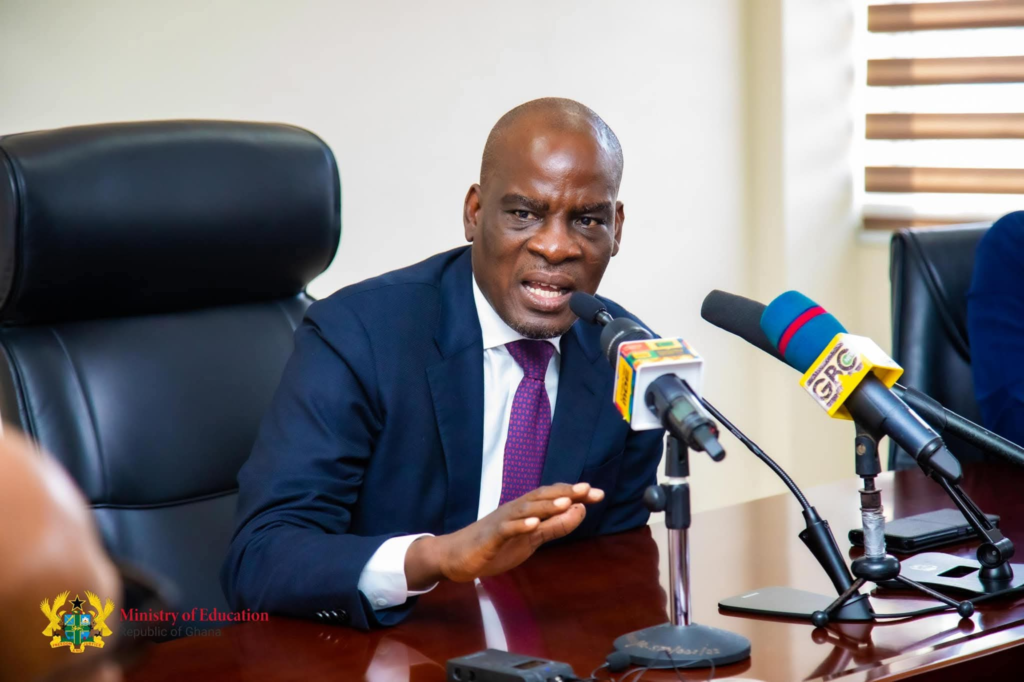
The move had been anticipated by many after the Minister of Education earlier hinted at plans to introduce an additional foreign language into Ghana’s educational system.
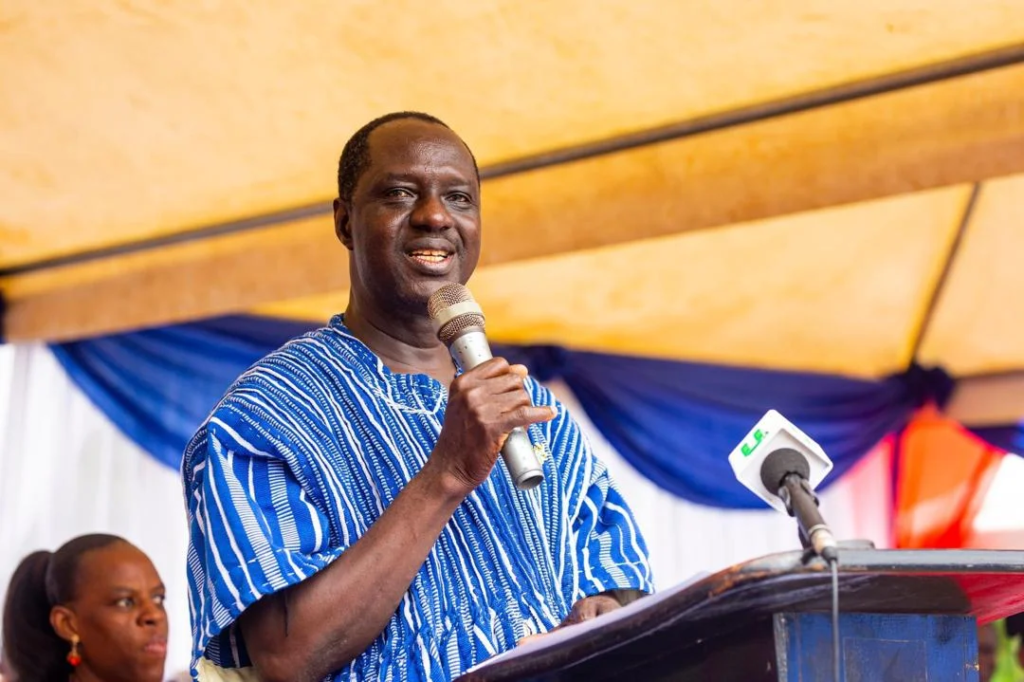
Discussions surrounding Chinese language education in Ghana gained further attention in July 2024 when the 8th Principal of Accra College of Education, Professor Samuel Awinkene Atintonu, revealed that the Chinese government was supporting the training of teachers in Ghanaian languages. Speaking during a keynote address at the University of Education, Winneba, Ajumako Campus on July 18, 2024, Professor Atintonu explained that the initiative was aimed at strengthening educational and cultural exchanges between Ghana and China.
While some welcomed the development as an opportunity to deepen international cooperation and provide Ghanaian students with valuable linguistic and economic opportunities, others expressed concerns over the country’s educational priorities.
Critics argue that instead of introducing another foreign language, greater attention should be devoted to strengthening the teaching and learning of French. They point out that Ghana is surrounded on three sides by Francophone neighbours Côte d’Ivoire, Togo, and Burkina Faso, making French an important language for regional trade, diplomacy, education, and cross-border communication.
Others believe the government should rather prioritise Ghanaian languages. They argue that many indigenous languages continue to face challenges in teaching, learning, and standardisation, despite ongoing discussions about adopting a Ghanaian language as an official language alongside English. According to this group, resources should be channelled into improving literacy in local languages before introducing another foreign language into the school curriculum.
Supporters of the initiative, however, maintain that proficiency in Chinese could provide Ghanaian students with greater educational, business, and employment opportunities, given China’s significant economic presence and investment across Africa.
As discussions continue, the introduction of Chinese into Ghana’s education system has reignited the broader national conversation on language policy, balancing global competitiveness with the preservation and promotion of Ghana’s indigenous languages.
Editor: Ama Gyesiwaa Quansah