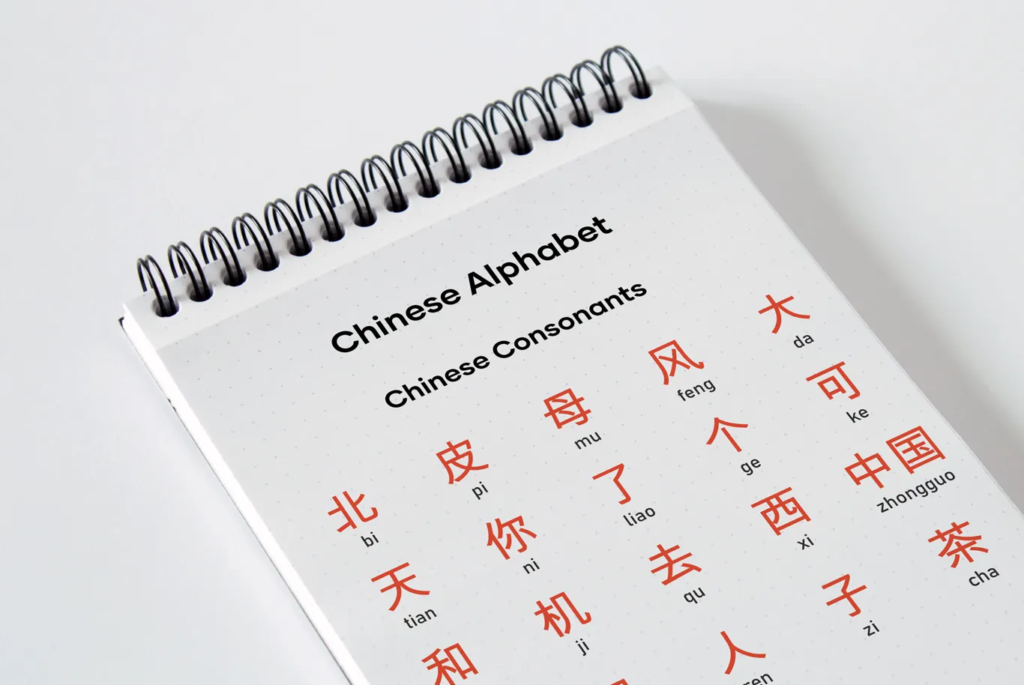
Ghana is poised to make history as the first African country to formally introduce three foreign languages across its education system, following the official launch of the Chinese language curriculum for basic, junior high, and senior high schools.
The launch coincided with the 10th anniversary of the Confucius Institute at the University of Cape Coast (UCC) and the 2025 Chinese Ambassador’s Awards ceremony. Themed “A Decade of Cultural Exchange and Excellence in Chinese Language Education,” the event brought together education stakeholders, traditional leaders, diplomats, and academics.
Speaking on behalf of the Board Chairman of the National Council for Curriculum and Assessment (NaCCA), Prof. Vincent Assanful, the Director-General, Prof. Samuel Ofori Bekoe, described the occasion as a watershed moment in Ghana’s educational history and international engagement.
Prof. Bekoe emphasized that the event was more than a celebration. It marked a decisive step toward equipping Ghanaian learners with the skills and cultural intelligence necessary to compete in a global economy. He noted that literacy in the 21st century goes beyond proficiency in one’s mother tongue or English, highlighting the importance of multilingual competencies.
Prof. Assanful explained that NaCCA’s role extends beyond regulation to strategic partnership, ensuring that Ghana’s future workforce is positioned to thrive in the global economic space. He said the decision to formalize Chinese language education reflects China’s growing global economic influence and its significance as a key development partner for Ghana. The curriculum development process relied heavily on the technical and cultural expertise of the Confucius Institute at UCC.
The growing interest in Chinese language studies among Ghanaian students is already evident at the University of Ghana, where enrollment in Chinese courses has surpassed 1,000 undergraduate students, according to a 2023 report by Chinese media outlet Xinhua. Emelia Agyei-Mensah, a university official, said efforts are being made to expand Chinese language education through combined major programs. Similar initiatives are underway in other public universities, signaling a nationwide push to integrate Chinese more fully into Ghana’s higher education landscape.
Ghana’s growing relationship with China, fueled by economic partnerships and cultural exchanges, has made Chinese a practical and strategic choice for many students. The increasing presence of Chinese businesses across Ghana has also created a demand for bilingual workers fluent in both Chinese and English, boosting the appeal of learning the language.
The Shocker: Critics Question Priorities
Despite the excitement surrounding the Chinese curriculum, critics argue that Ghana may be overlooking more urgent priorities. Instead of introducing yet another foreign language, they contend that effort should be focused on strengthening French education, which has long struggled to gain traction despite being part of the curriculum since the 1980s. Given Ghana’s borders with three French-speaking neighbors Burkina Faso, Ivory Coast, and Togo and the global importance of French, many believe revitalizing French instruction would be a more strategic move.
Others suggest that Ghanaian students should be encouraged to learn additional local languages, such as Twi, Fante, Ewe, Ga, or Dagbani, alongside the ones already taught. Advocates for this approach argue it would foster multilingual proficiency within Ghana’s own rich linguistic landscape, strengthen national cohesion, and preserve cultural identity.
While introducing Chinese offers exciting opportunities, the debate shows a crucial question for Ghana’s language education policy: should the focus be on adding more foreign languages, or on building a generation that is globally competitive, regionally relevant, and rooted in its own cultural and linguistic heritage?
Editor: Ama Gyesiwaa Quansah