Ghanaians across social media platforms are proudly showcasing their Fugu, also known as Batakari, following online reactions to President John Mahama’s choice of outfit during his recent visit to Zambia. What began as a fashion misunderstanding has quickly turned into a nationwide cultural moment, pushing one of Ghana’s most respected traditional garments back into the spotlight.

Fugu is a hand sewn traditional smock that originates from Northern Ghana, especially among Dagomba, Mamprusi, Gonja, and related ethnic groups. It is usually made from thick, handwoven cotton strips stitched together into a loose fitting garment. Known for its durability and distinctive structure, the smock was historically worn by warriors and community leaders. Over time, it became a symbol of honor, authority, and cultural identity.

In many northern communities, wearing Fugu is associated with prestige and maturity. It is commonly seen during festivals, chieftaincy events, state ceremonies, and other important gatherings. Different styles, colors, and embroidery patterns can signal status, region, or occasion. Some versions are simple for daily wear, while others are richly decorated for special events.
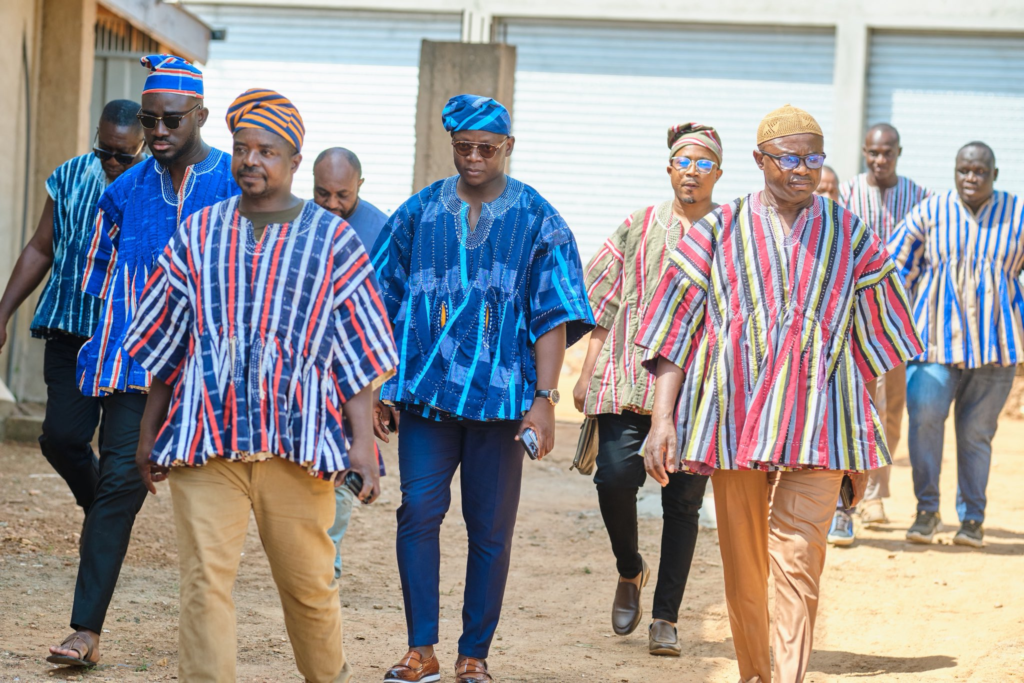
Historians note that the smock tradition is linked to centuries old weaving practices in Northern Ghana, where narrow strip weaving developed into a respected craft passed down through families. The garment later gained national recognition and is now worn across the country, including by political leaders and public figures during major functions.

After some Zambian social media users mistakenly described the president’s smock as a blouse, many Ghanaians responded by posting photos and videos of themselves dressed in Fugu, explaining its background and cultural value. Fashion creators and cultural promoters joined the trend, sharing educational posts about the garment’s roots and meaning.

The result has been a surge in visibility and renewed demand for the traditional smock, with sellers and tailors reporting increased interest. What started as online criticism has instead sparked a broader celebration of Ghanaian heritage and traditional fashion.

Wear your Fugu or Batakari to show your pride today. Ghana wins everywhere.