For many Ghanaian languages, recognition has always felt like something that belongs to the future. Promised, discussed, and hoped for, but rarely reached. Across the country, communities continue to speak, teach, and preserve their languages at home and in cultural spaces, while formal education and examinations remain out of reach. The recent acceptance of Ahanta by the Bureau of Ghana Languages (BGL) changes that psychology. It proves, in practical terms, that the door is not closed.
The decision by the Bureau to endorse the Ahanta language orthography for use in schools and for the development of learning materials is not a symbolic gesture. It follows a thorough process of review, field visits, and assessment involving schools, teachers, learners, parents, traditional leaders, and education officials. The conclusion of that process was clear. The orthography meets required standards, the pilot programme has produced positive results, and the community has shown genuine enthusiasm for formal indigenous language learning. On that basis, the Bureau has not only endorsed Ahanta for school use, but has also indicated its readiness to certify materials developed in the language and to support its journey toward becoming examinable at both Basic and Senior High School levels.
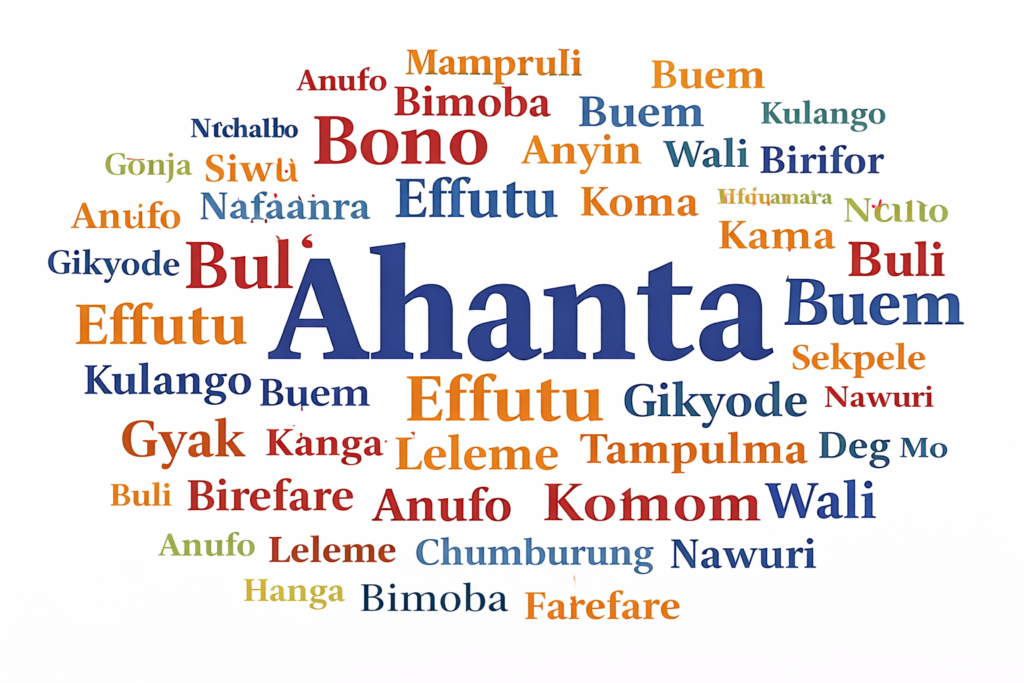
Across Ghana, languages such as Sehwi, Effutu, Bono, and many others occupy a familiar and frustrating position. They are spoken by thousands, sometimes hundreds of thousands of people. They carry history, identity, and local knowledge. Yet in the formal education system, they often remain invisible or marginal. Not because they are unimportant, but because the long, demanding work needed to bring a language into the classroom has not yet been completed or sustained.
The success of Ahanta forces a necessary and honest conversation. It shows that recognition is not only a matter of cultural pride or political goodwill. It is the result of structure, preparation, and patient institutional engagement. In the case of Ahanta, the work did not begin with demands for approval. It began with building something that could be approved.
An orthography was developed and tested. Teaching was piloted in real classrooms. Teachers and learners were involved. Education authorities were engaged. Traditional leaders and community voices were brought into the process. Evidence was gathered, not just claims made. By the time the Bureau came to assess the project, there was already something living and working on the ground.
One of the most important details in the Bureau’s assessment is not the final endorsement itself, but the method that led to it. The evaluation did not rely only on documents and meetings in Accra. It included field visits to schools, conversations with teachers and parents, and direct observation of how the language is being used in practice. In other words, Ahanta was not approved because it was loved. It was approved because it was working.
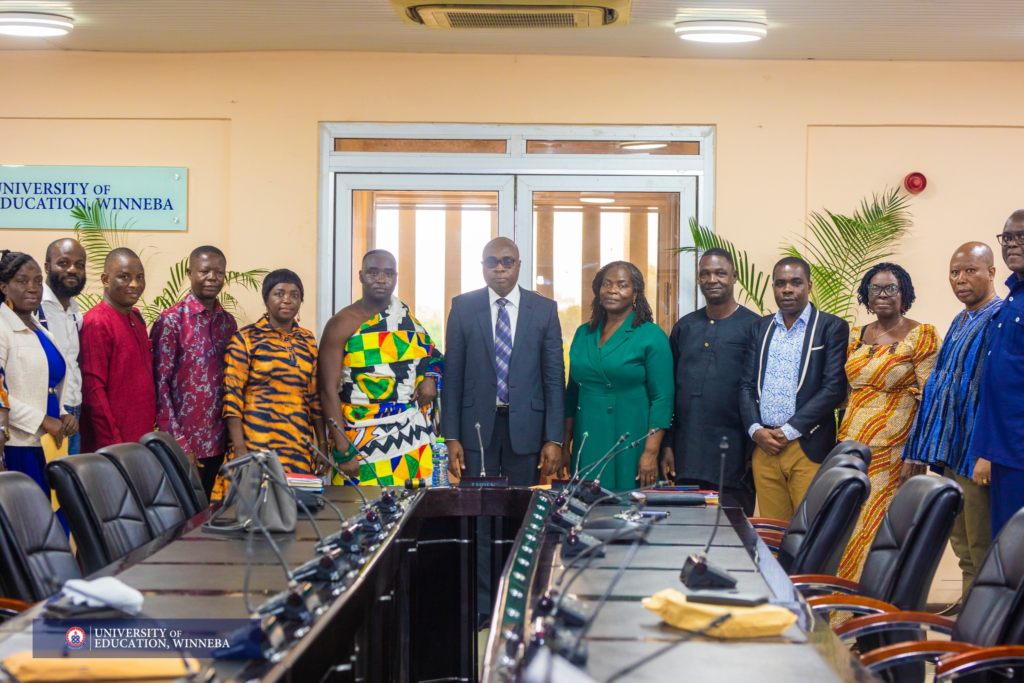
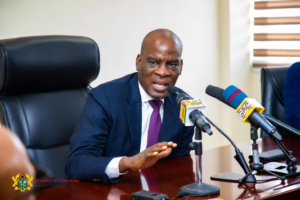
For years, it has been easy to believe that the main obstacle to recognition is government or bureaucracy. The Ahanta experience suggests something more complex and more hopeful. Institutions can respond when they are presented with serious, well-prepared work. The system may be slow, but it is not immovable. Despite these, the effort of the Member of Parliament for the Ahanta West Constituency, Mavis Kuukua Bissue and her team cannot be overlooked as they really played a key role in the whole process.
Sehwi, Effutu, Bono, and many other Ghanaian languages do not lack speakers. What they often lack is a sustained, coordinated project that moves from cultural use to educational structure. Orthographies must be standardised and tested. Teaching materials must be developed. Pilot programmes must be run. Communities must be involved, not only as supporters, but as participants. And most importantly, the work must be consistent enough to survive beyond enthusiasm and into institutions. Above all, they also need a leader, bold and resilient in pushing this agenda like what the honourable MP for Ahanta West, Mavis Kuukua Bissue Boateng did.

It is also worth noting that this achievement did not come through noise or confrontation. It came through cooperation with the Ghana Education Service, local education offices, and the Bureau of Ghana Languages itself. It came through respecting process, even when that process is slow and demanding. In the end, that respect created trust, and that trust made endorsement possible.
It is a challenge to language committees, cultural leaders, scholars, and local advocates to move beyond pride into planning, and beyond slogans into systems. It is a reminder that no language enters the classroom by accident. It is carried there by years of careful, sometimes thankless work.
Ahanta has not solved the problem of indigenous language development in Ghana. But it has done something just as important. It has removed the excuse that it cannot be done. For Sehwi, Effutu, Bono, and many others, the door is no longer a rumour. It is visible. The question now is who is ready to walk the same long, disciplined road that finally opened it.
Editor: Ama Gyesiwaa Quansah